- What colour are warning signs in Ireland?
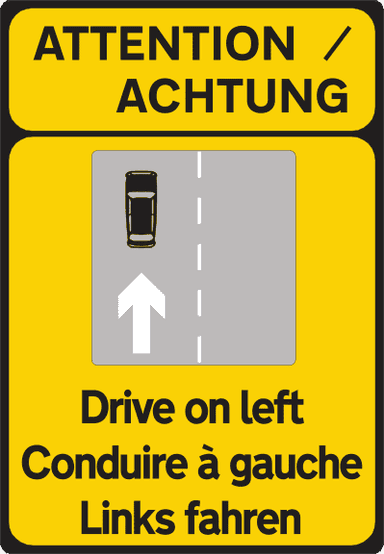
- Irish warning signs are yellow diamonds with a black symbol or black text. That is different from the UK and most of Europe, where warning signs are red-bordered triangles, and it is the first thing to get straight: a yellow diamond warns you about something ahead, such as a bend, a junction, a school or animals on the road.
- What is the difference between regulatory and warning signs?
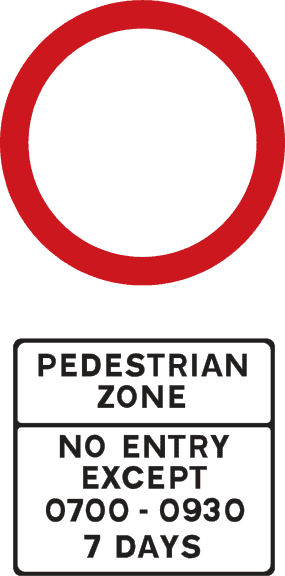
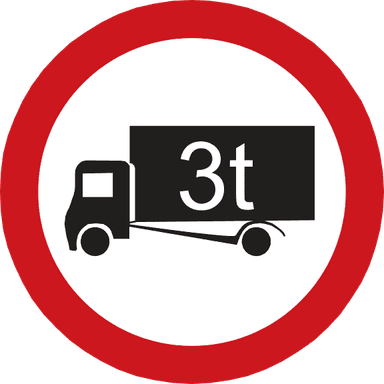
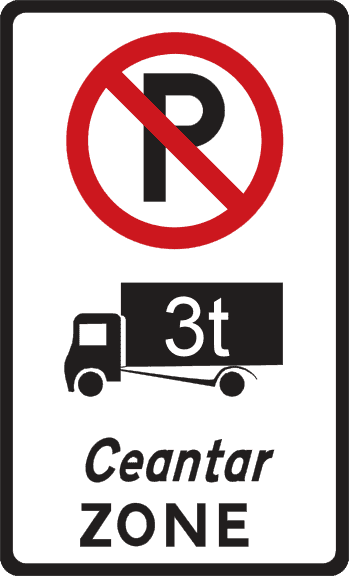
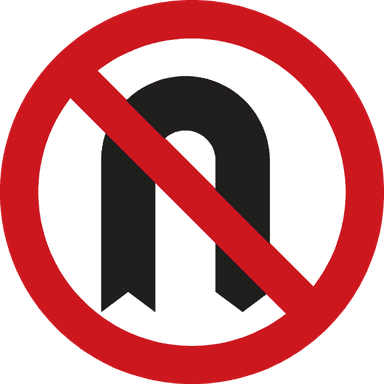
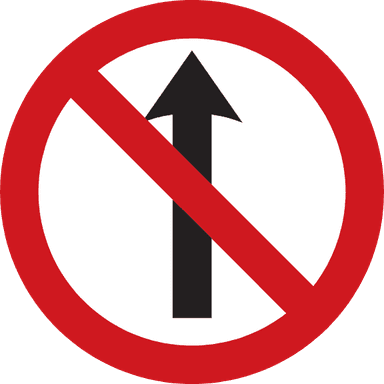
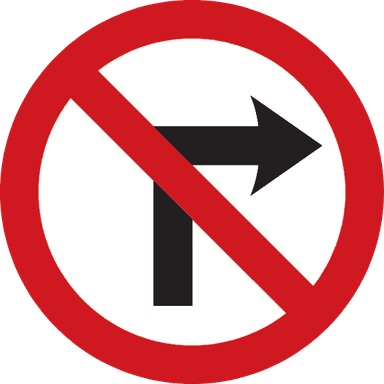
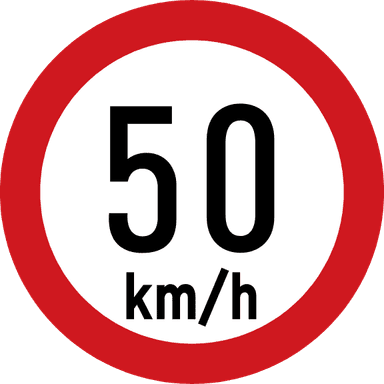
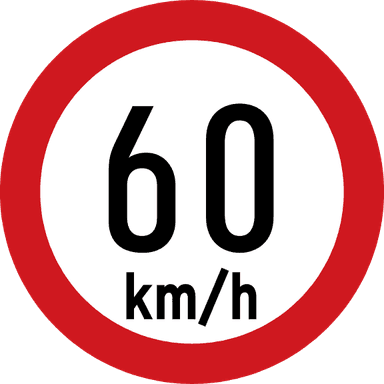
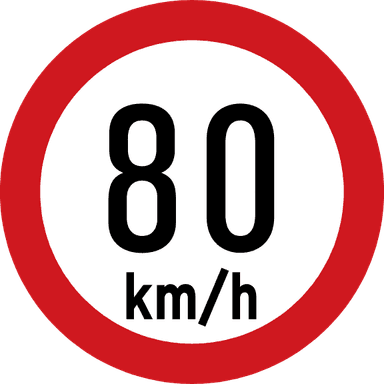
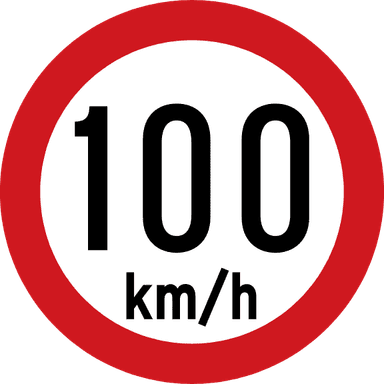
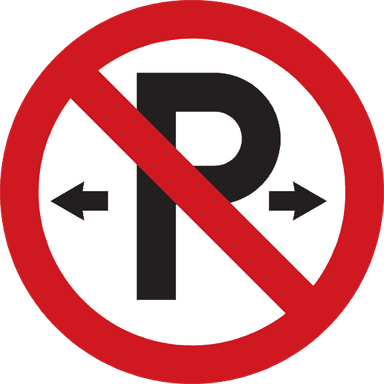
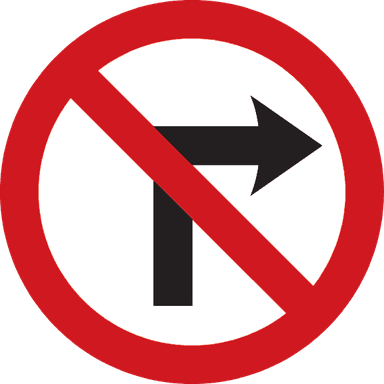
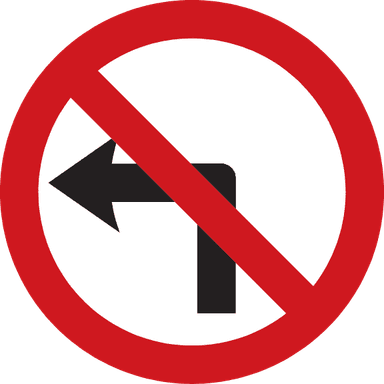
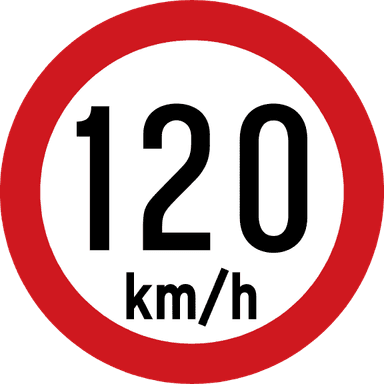
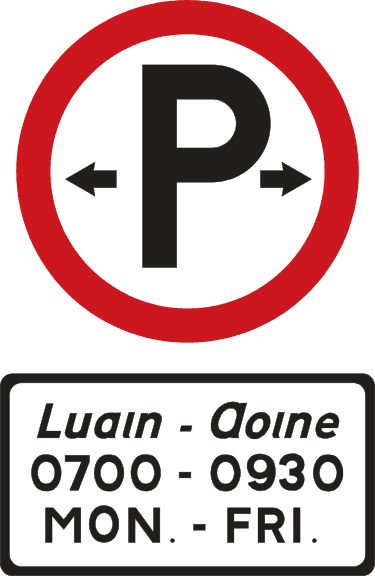
- Regulatory signs tell you what you must or must not do and are mostly red circles or red-bordered: no entry, no left turn, no overtaking, speed limits. Two regulatory signs have their own shape so you recognise them from behind or in poor light: STOP is a red octagon and YIELD is an inverted white triangle with a red border. Warning signs, the yellow diamonds, only alert you to a hazard; they do not create a rule.
- What do orange, blue and green road signs mean?
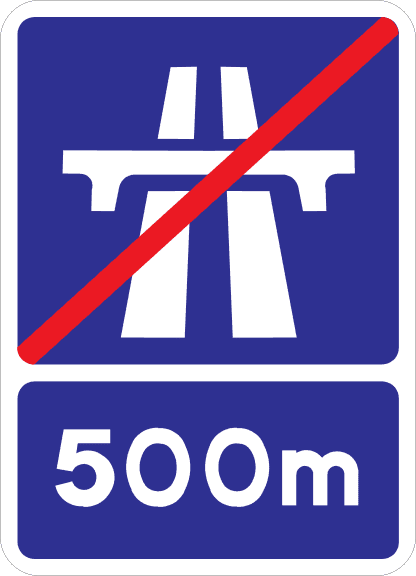
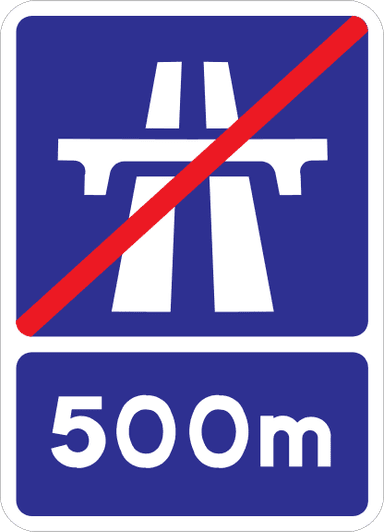
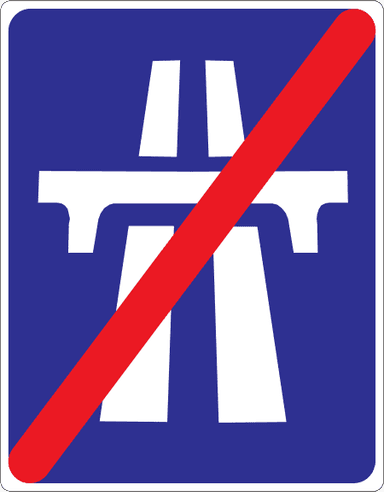
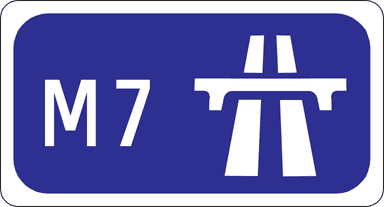
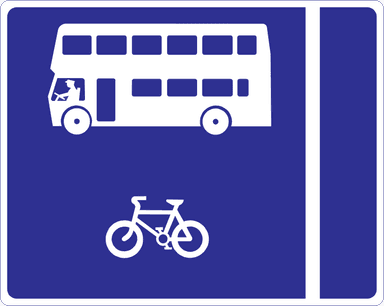
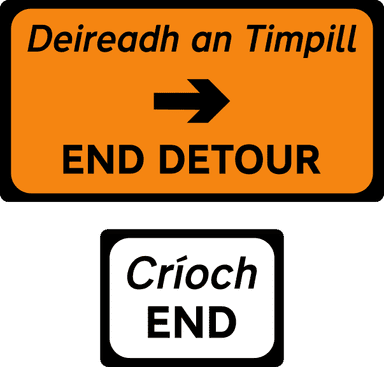
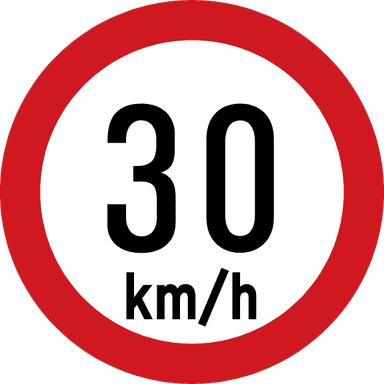
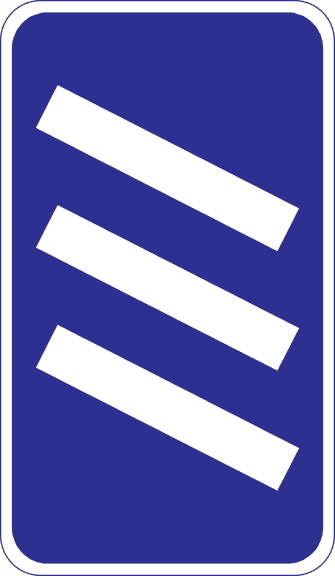
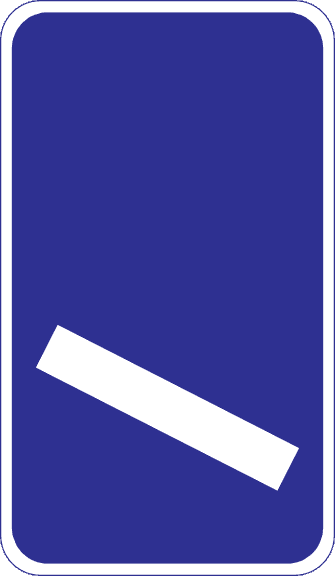
- Orange signs mark roadworks and the temporary limits and diversions around them. Blue signs give motorway information and directions. Green signs are directional signs for national routes. Speed limit signs in Ireland show the limit in kilometres per hour, so a sign reading 100 means 100 km/h.
- How do road signs come up in the theory test?
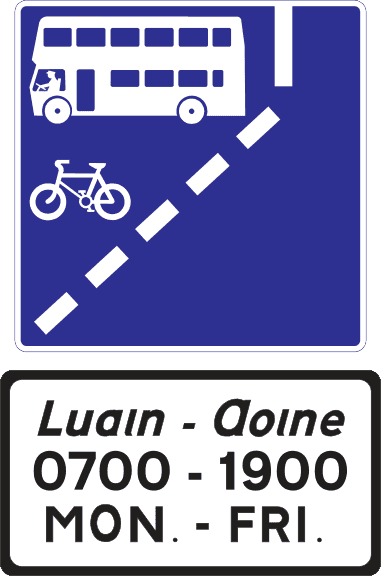
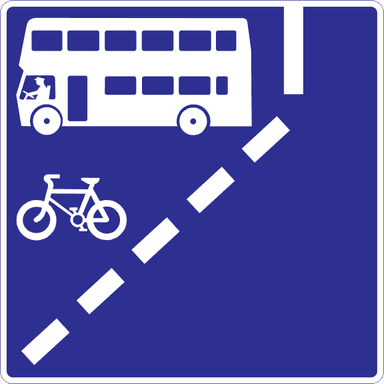
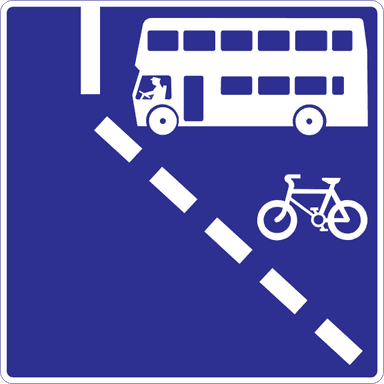
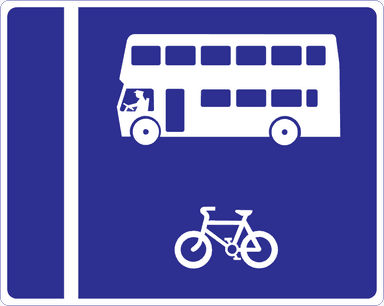
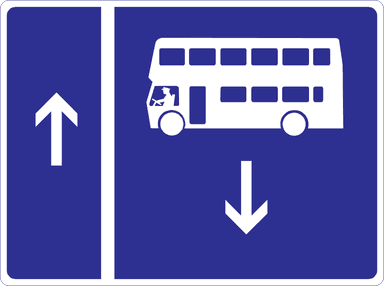
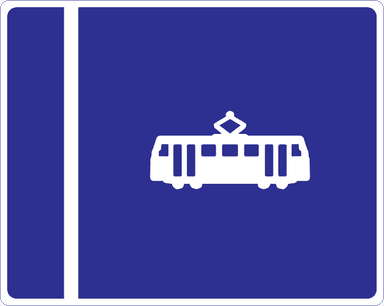
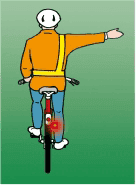
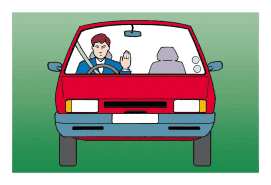
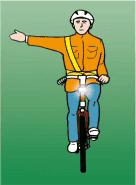
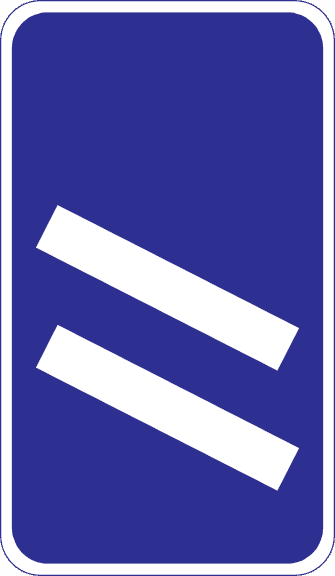
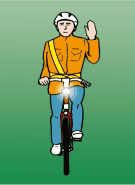
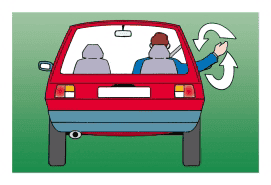
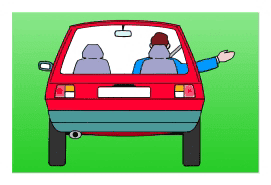
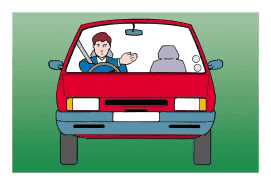
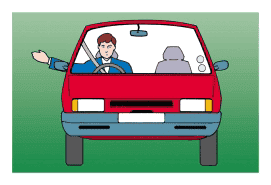
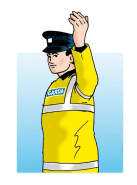
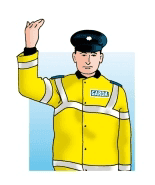
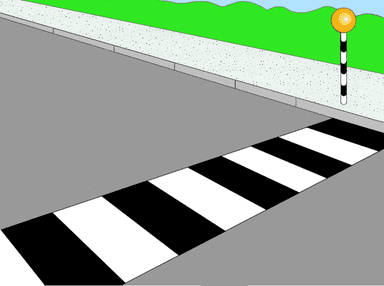
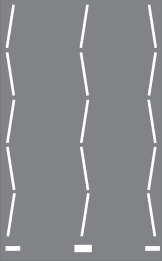
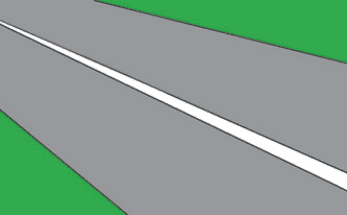
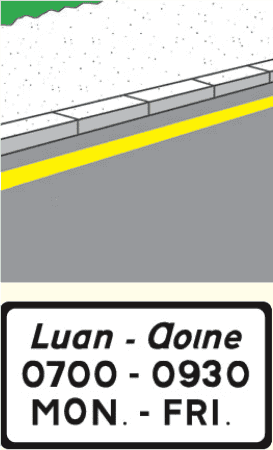
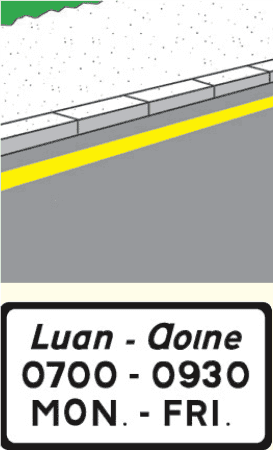
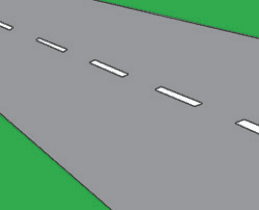
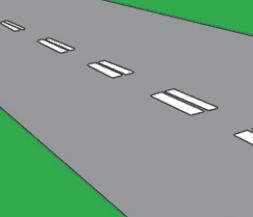
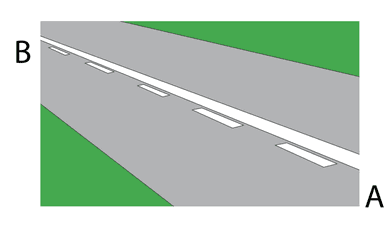
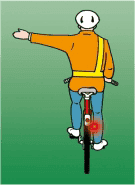
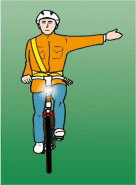
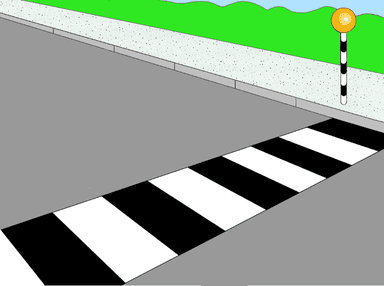
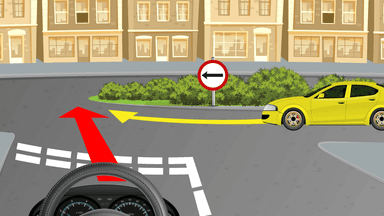
- A road-sign question shows a picture of the sign and asks what it means, with several possible meanings to choose from. Only one is correct. Some questions show two signs together or a hand signal and ask what they mean in combination. The signs on this page are drawn from the same style of question, so practising here is practising the real format.
- How many road signs do I need to learn for the theory test?
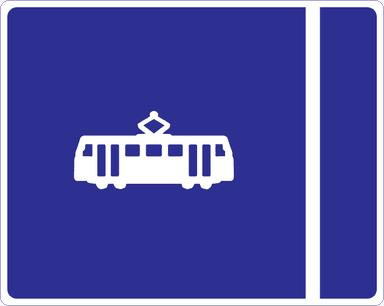
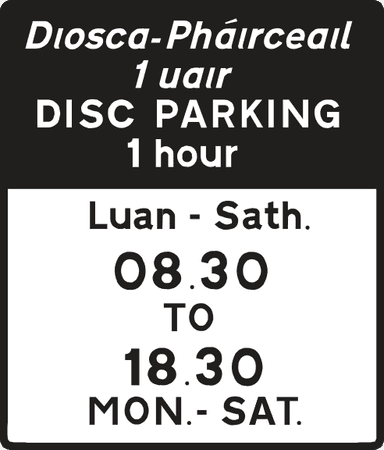
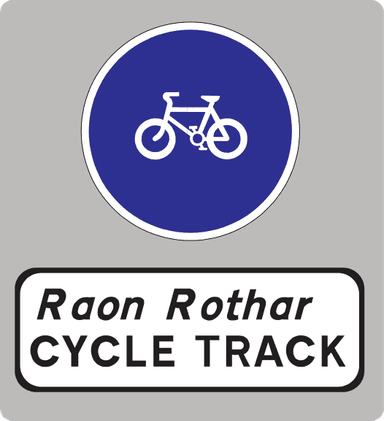
- This library has 71 signs, each taken from a question in the PassMonkey bank, which is a good working set for the test. The Rules of the Road has more. Rather than memorising every one, learn the families: shape and colour tell you whether a sign is a warning, a rule or information before you read the symbol, and most questions then answer themselves.